JX Apparel Group
Fabric Guide
Cashmere vs. Wool Blend Coats: What Every Buyer Should Know Before Placing an Order
By Ray Wang·May 20, 2026·7 min read
For buyers sourcing women's coats from China, the cashmere vs. wool blend decision is one of the most consequential choices in the product brief — and one of the most misunderstood.
This guide covers what the difference actually means in production, inspection, and retail positioning.
What "Cashmere" Legally Means
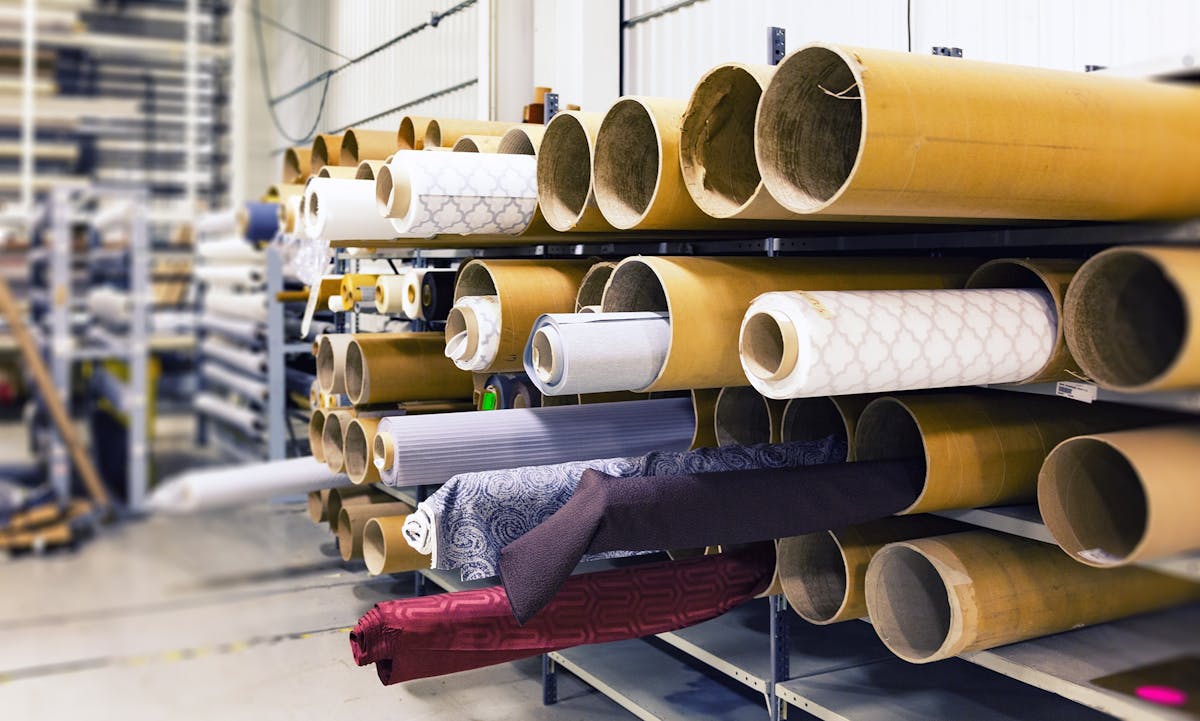
In most export markets (EU, US, UK), a garment can only be labelled "cashmere" if it contains at least 85% cashmere fibre (US FTC standard). Below that threshold, the label must reflect the actual blend — e.g., "30% cashmere, 70% wool." For a broader view of where the cashmere category is heading, the cashmere clothing market statistics and buyer's guide provides useful context on global demand and pricing trends.
Factory invoices frequently describe fabric as "cashmere touch" or "cashmere-like" — these are marketing terms, not fibre content declarations. Always request the mill's fabric composition certificate before production begins. Whether you're working under an OEM or ODM manufacturing model, securing this certificate at the sampling stage — not after bulk production — is essential.
Fibre Comparison at a Glance
| Property | Pure Cashmere | Cashmere-Wool Blend (30/70) | Pure Wool |
|---|---|---|---|
| Micron count | 14–19 µm | 16–22 µm | 18–30+ µm |
| Handle | Extremely soft, lightweight | Soft, slightly more body | Depends heavily on grade |
| Pilling tendency | Higher | Moderate | Lower (esp. S-twist yarns) |
| Warmth-to-weight | Excellent | Very good | Good |
| FOB price range (coat weight) | $38–$90 | $18–$42 | $12–$30 |
| Durability | Lower | Better than pure cashmere | Best |
When to Choose Pure Cashmere
Pure cashmere makes sense when:
- Your retail price positions the coat above €400 / $450
- Your target customer is buying on handle — they will touch the garment in store
- The coat is designed for light-to-moderate seasonal use (not a daily-wear commuter piece)
At this tier, buyers should request a lab test (IWTO test method) confirming fibre content. This is standard for EU retail and most major UK department stores.
When a Wool Blend Makes More Sense
A 30/70 or 20/80 cashmere-wool blend is the practical choice for:
- Retail price points of €150–€350
- Structured styles (blazer coats, wrap coats) where fabric body matters more than drape — see the JX Apparel coat collection for examples of how these silhouettes translate into finished garments
- Brands wanting the "cashmere" story in marketing without the cost exposure of pure fibre
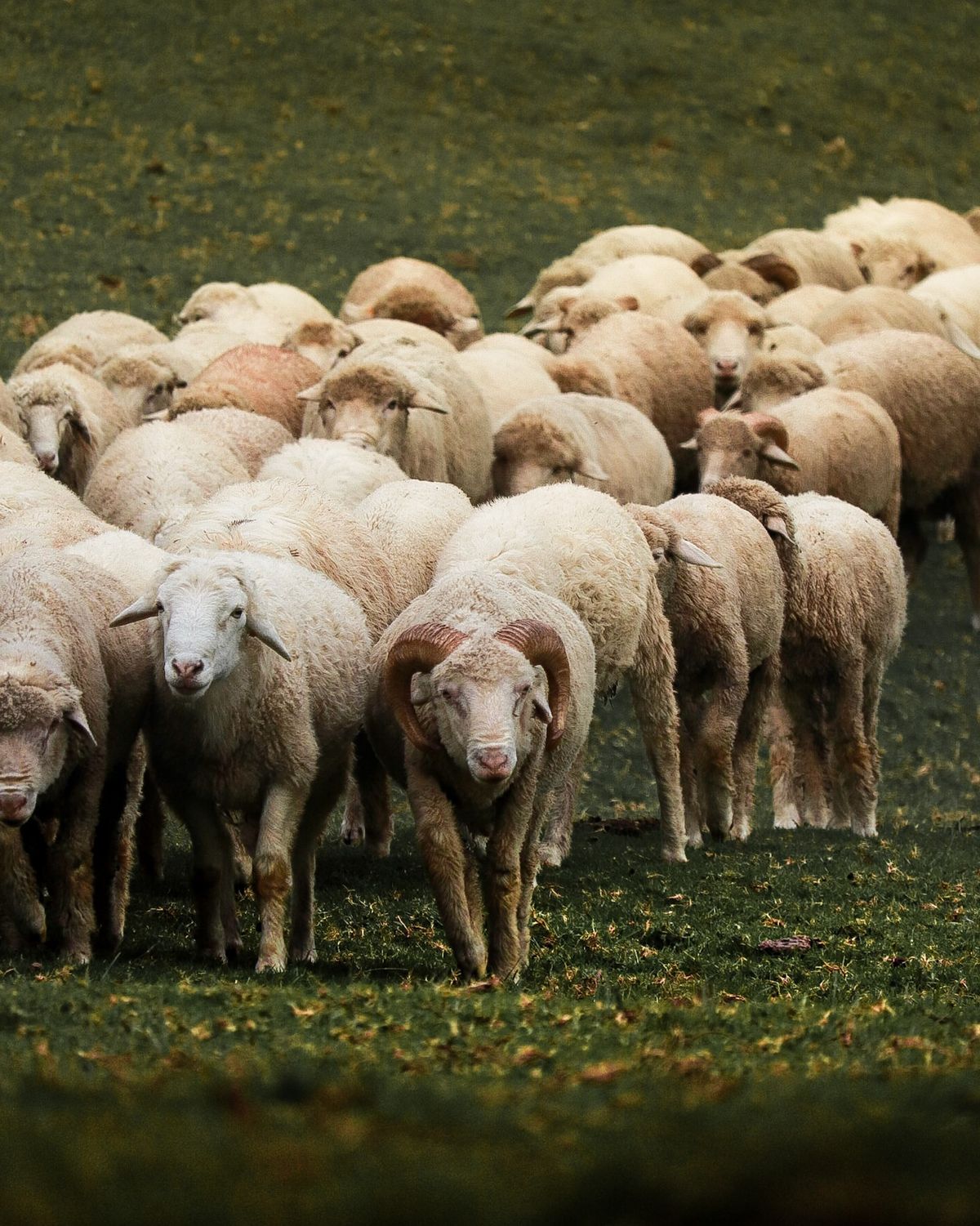
The 30% cashmere adds real handle improvement over pure wool. The 70% wool significantly improves durability and reduces pilling — a common complaint from end customers on pure cashmere at accessible price points.
Inspection Points Specific to Cashmere and Wool
Pilling test: Request a Martindale pilling test at 2,000 cycles minimum. Pure cashmere below grade A (14–16.5 µm) will pill noticeably faster.
Shrinkage: Dry-clean-only labelling is essential for cashmere and most fine wool. Confirm the care label matches the actual fabric behaviour — pre-wash a swatch before the PP sample is signed off.
Colour fastness: Dark tones (navy, black, charcoal) on fine wool and cashmere require extra attention. Demand ISO 105-C06 wash fastness rating of Grade 3 minimum. For a comprehensive overview of how these individual tests fit into the broader pre-shipment process, see the guide to outerwear quality control and factory inspection.
Weight consistency: Request the GSM specification in the tech pack and BOM and verify at incoming fabric inspection. A coat fabric that arrives at 320 g/m² instead of the specified 340 g/m² will result in a lighter, less structured garment.
A Note on Chinese Cashmere Sourcing
The majority of the world's cashmere fibre originates in Inner Mongolia and Xinjiang. Jiaxing-based factories typically source processed cashmere yarn from Zhejiang and Jiangsu mill networks, with traceability back to the Mongolian raw fibre.
If your brand requires chain-of-custody documentation (for sustainability reporting or certifications such as RWS and GRS), request this from the factory before sampling — not at the inspection stage.
For questions about cashmere and wool capabilities, or to discuss fabric options for your next outerwear collection, contact the JX Apparel team.
R
Written by
Ray Wang
Women's outerwear manufacturing specialist with 13 years of experience producing wool, cashmere, and down coats for fashion brands across Europe and North America at JX Apparel Group in Jiaxing, China.
Related Insights
Fabric Guide
Wool Coat Manufacturer China Statistics (2026): 46 Data Points on Fiber Grades, GSM, QC Standards, and RWS Certification
14 min readFabric Guide
Alpaca and Mohair Coat Fabric Sourcing Guide for Fashion Brands (2026): 48+ Data Points on Fiber Grades, Certifications, Blends, and Specification
12 min readProduction
Shearling Jacket Manufacturer for Small Brands (2026): 42+ Data Points on Sourcing, MOQ, and Construction
12 min readReady to Source?
Work with a Factory That Specialises in Premium Outerwear
20+ years of team experience in mid-to-high-end women's coats and jackets. Low MOQ from 200 pcs. Cashmere, wool, silk capabilities.
Get in Touch →